As individuals live longer, the number of elderly persons is going up, which will bring about greater awareness of wellness and health in the years to come. Health and wellness programs for seniors are of greater importance than ever given that they support people in keeping their independence, energy, and general quality of life.
Elderly people have become active to give importance to wellness due to the fact that ageing often results in new health challenges. Wellness programs for senior citizens offer systematic support with social interaction, dietary requirements, mental wellness, and dynamic physical activity. The initiatives aim to maintain elders active, confident, and interconnected.
Wellness for seniors includes a variety of activities personalized to their requirements. An effective senior fitness program strengthens muscles and boosts balance although mental wellness activities improve memory and decrease stress levels. These kinds of programs offer an integrative approach to active and productive ageing for the elderly when paired with nutrition counselling and social engagement. This blog will try to explore why wellness programs for seniors are more important and matter more than ever.
What Are Wellness Programs for Seniors?
Understanding in Easy Context
Wellness programs for seniors have been organized activities and support networks intended to assist senior citizens in retaining their general state of wellness, freedom, and health. They are intended to improve physical, mental, and emotional wellness and also boost a healthy routine throughout the day.
Key Components of Senior Wellness
Successful wellness programs for senior citizens consist of a number of key elements:
- Senior fitness programs, balanced workouts, moderate activities, and physical fitness programs that preserve strength and mobility are all strongly encouraged.
- Preparation of meals, drinking plenty of water, and eating a healthy diet in order to prevent illness and boost vitality.
- Mental wellness approaches are good for reducing stress, practicing mindfulness, and intellectually stimulating hobbies.
- Social interaction and engagement decrease feelings of loneliness and are involved in activities of associations, community gatherings, and collaborative endeavors.
- Preventive care, that involves regular wellness assessments, ongoing medical conditions monitoring, and health diagnostics.
How Senior Wellness Differs from General Wellness
Wellness for seniors is personalized in order to address the particular requirements of senior citizens, in comparison with general wellness programs. The program takes into consideration the important role of preserving independence, ongoing medical conditions, and related to age physical changes. The emphasis is on enjoyable, secure, and achievable activities that improve senior citizens’ health for a lifetime.
The Advantages of Wellness Programs for Seniors
Physical Benefits
Wellness programs for seniors offer various advantages for their physical wellness, including the following:
- Better balance and coordination for enhanced fall prevention.
- Assistance to keep your self-assurance and independence whereas you move around.
- Increase your physical strength, flexibility, and movement that can benefit with daily tasks.
- Improve your physical strength and advance your energy levels for a better lifestyle.
- Exercise is supportive to reduce critical ongoing chronic conditions.
Emotional and Mental Benefits
Organised elder wellness programs promote mental and emotional health:
- Lessening feelings of anxiety or sadness through social engagement and planned activities.
- Improving memory or memory maintenance through motivating the brain activities.
- Building self-reliance and trust. through feasible goals and engagement.
- Helping mental resilience and minimizing stress.
Social Benefits
Wellness for the elderly also strengthens social connections to help older adults feel engaged and supported:
- Participating in local initiatives and collaborative endeavors to reduce social estrangement and depression.
- Promoting companionship and collaboration among peers to safe and friendly environments.
- Increase engagement or participation that promotes a sense of connection.
- Provide an opportunity to get involved in similar activities.
Types of Wellness Programs for Seniors
Senior Fitness Programs
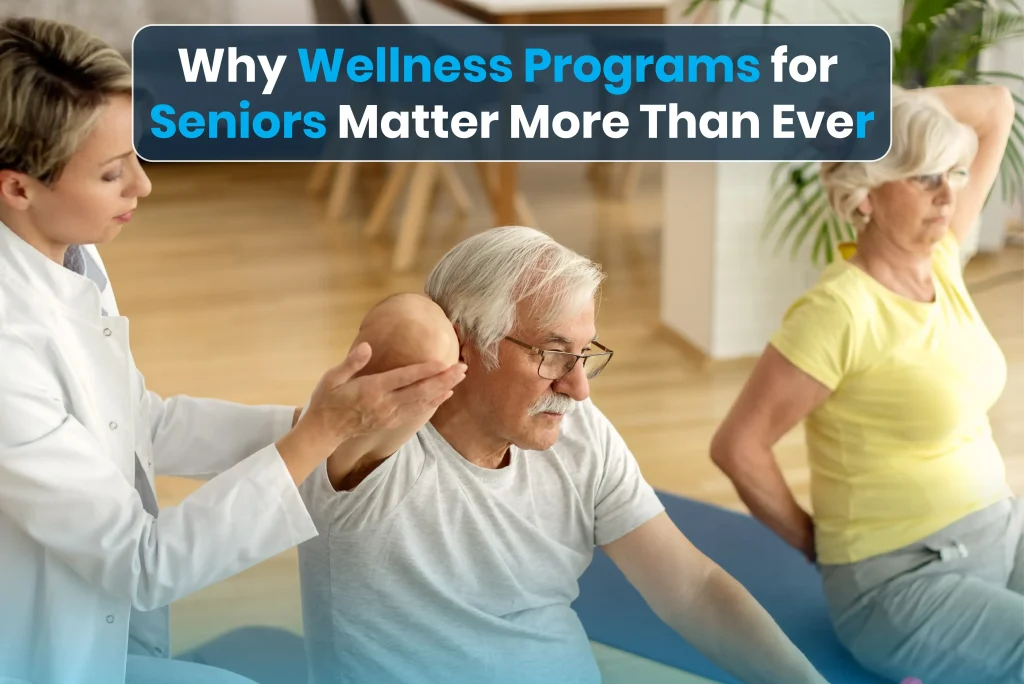
The goal of senior fitness programs is to assist older persons maintain their muscle strength, adaptability, and accessibility. Exercises include chair yoga, tai chi, walking clubs, and slight impact aerobics reduce the likelihood of falls, promote balance, and improve physical wellness.
Nutritious and Healthy Eating Programs
A healthy diet for seniors is essential for their overall and comprehensive wellness. These initiatives assist elders to retain their energy, handle chronic illnesses, and support a lifetime of wellness. All this is satisfied through providing advice on meal planning, diabetes-friendly foods, and drinking enough water.
Mental Wellness Programs
Cognitive and emotional health are necessary for the elderly people. Memory enhancement activities, art therapy, and mindfulness exercises are mental wellness programs which reduce stress, sharpen memory, and promote emotional resilience.
Community-Based and Social Initiatives
Wellness programs for senior citizens have become essential to maintain interaction or connections with others. Seniors can engage in new networks to make new friends, find a sense of determination, and feel less alone by contributing in social activities.
Preventive Health and Monitoring Programs
Preventive care is key to healthy aging. These programs offer blood pressure monitoring, chronic illness management, and regular health screenings to help seniors detect issues early and maintain lasting wellness.
Why Wellness Programs Matter More Than Ever in 2026
Enhanced Chronic Illness Rates Among Older Adults
Diabetes, arthritis and heart disease have become progressively dominant when individuals aged. Senior wellness programs assist in the management of various conditions, improve regular activities, and decrease complications.
Impact of Technology and Tele-Wellness Programs
Seniors can continue to be active and engaged from home with the assistance of tele-wellness programs and digital tools. Accessibility as well as participation have been enhanced by online assistance groups, monitoring of health applications, and virtual workout sessions.
The Role of Family Caregivers
Family members are fundamental in terms of elder wellbeing. Structured programs enable it to be easier to promote healthy lifestyles and ensure senior citizens’ safety through providing carers guidance and support.
Changing Healthcare Landscape
Prevention and thorough treatment are essential elements of contemporary healthcare. Wellness programs for senior citizens improve their general quality of life, lower hospital visits, and improve medical care.
Greater Awareness of Aging Well, Not Just Aging Longer
Wellness for seniors that encourages strength, independence, and happiness is becoming increasingly important to seniors. Nowadays, these programs concentrate on social interaction, mental health, and substantial activities compared to just survival.
How to Choose the Right Wellness Program for a Senior
Questions to Ask a Wellness Provider
Ask about the staff qualifications, structure of the program, security precautions, and possibilities or availability for involvement earlier than enrolling. This ensures that the program can meet specific requirements of your loved ones.
Matching Programs to Individual Needs
Take into account the senior individuals’ mobility, medical problems, and decisions regarding their lives. Selecting an educational program that matches their abilities and passions can boost engagement and lasting achievement.
What Families Should Look For
Accessibility, safety, and qualified staff are essential. Confirm that the program offers emergency protocols, readily accessible facilities, and supportive oversight.
The significance of Consistency and Routine
Regular involvement is necessary for senior health to have benefits that last. Programs that offer scheduled activities support seniors in establishing routines that enhance their mental, mentally and physical wellness.
Advice for Keeping Seniors Involved in Wellness Programs
- Provide elders with gentle support and consider minor victories to maintain motivation high without producing stress.
- Combine social contact, games, or group activities with physical activity or wellness responsibilities to make participation pleasant and social.
- Set up a basic weeklong routine that achieves a balance between interactions with others, mental activity, exercise, and nourishment for ongoing participation.
- Seniors can keep connected to wellness programs and remember activities through apps, alarms, or online status updates by applying technology for support and reminders.
How Champions Haven Supports Wellness Programs for Seniors
Our mission at Champions Haven is to encourage senior wellness or wellness for the elderly through personalized, scientifically proven activity programs. To address the unique requirements of each individual, our strategy combines social engagement opportunities, mental health activities, nutritional counselling, and senior physical activity regimens. We ensure that elders have the opportunity to be independent, engaged, and involved through offering them safe facilities, time flexibility, and highly qualified employees. Champions Haven empowers senior citizens to lead healthier, happier lives and prosper in every aspect of wellness by partnering with families and carers.
FAQs
Q1. What are wellness programs for seniors?
These are the programs with the purpose to enhance social, mental, and physical health of the seniors.
Q2. How do senior fitness programs benefit the elderly?
They benefit by enhancing flexibility, balance, strength, power and overall mobility or movement to support independence.
Q3. Can wellness programs help prevent chronic diseases?
Yes, regular participation can reduce the risk or danger and help to manage these chronic conditions.
Q4. Are wellness programs suitable for seniors with limited mobility?
Yes, programs are personalized with adaptable activities and low-impact exercises for all abilities.
Q5. How can families encourage seniors to stay engaged?
Families can be encouraged to maintain an ongoing schedule, making activities enjoyable, and providing reasonable support.