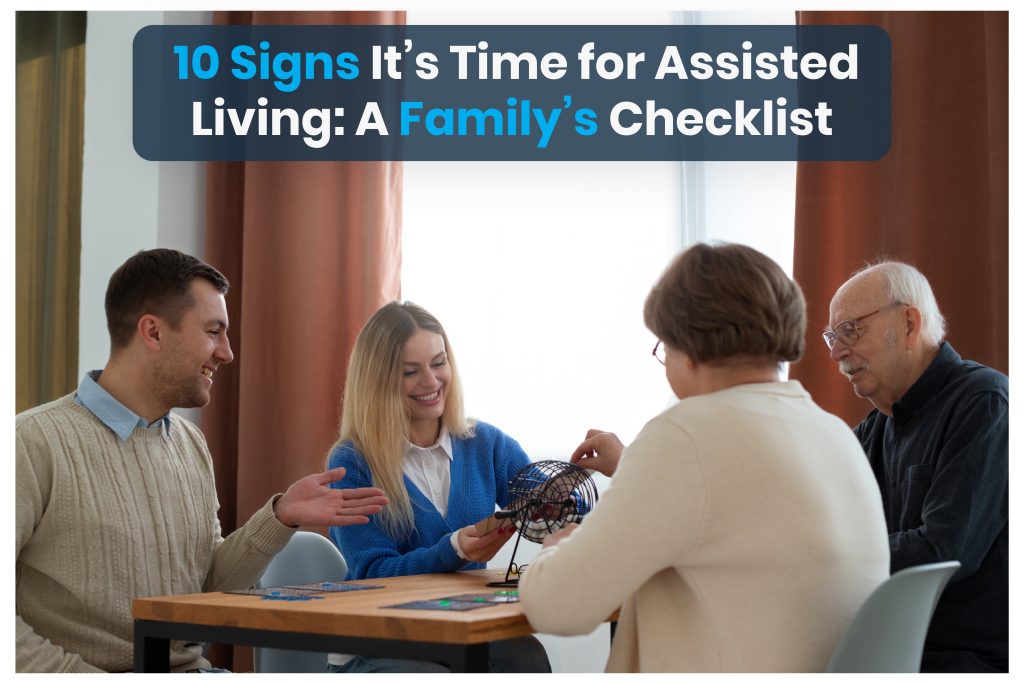
Occasionally it begins silently, such as an ignored medication, an inadequate meal, or a parent who earlier enjoyed gardening but has recently begun to drop interest in small pleasures. Families start questioning whether assisted living is certainly required or if it is merely aging. Profound sentiments such as shame, nervousness, and stress can be generated by these small modifications. It is reasonable to feel concerned between keeping your loved one safe and comfortable against wanting them to remain having their own sense of autonomy.
When you start to see ongoing challenges with everyday activities then it may be a sign that your loved one deserves greater levels of assistance. Defining when it’s time for assisted living is a representation of the right choice that can be challenging for many families, but understanding the signs it’s time for assisted living can assist to make the decision easier and less stressful.
Assisted living is not about losing independence but it is about gaining a better quality of life. These living communities offer nutritious meals, medication assistance, companionship and personalized care in a harmless and friendly environment. The purpose is to support seniors to live with self-respect, purpose, and connection whereas getting the right level of care they want.
Understanding how to know when it’s time for assisted living starts with finding the emotional, social and physical instabilities that may be the source of disturbance for the well-being of your loved one. Understanding these assisted living signs can support families take practical and compassionate steps toward a solution that truthfully benefits everyone, whether it is everyday falls, memory gaps, or rising loneliness.
We will try to explore the 10 signs it might be time for assisted living which are actual indicators that it may be the right moment to change toward supportive senior living and renewed peace of mind for your loved one and your family.
Understanding Assisted Living
It is beneficial or advantageous to have an understanding of what assisted living genuinely involves before families make decisions when it’s time for assisted living. Assisted living is an option and possibility of residential care or support that is intended to help older adults who may want with everyday activities such as bathing, dressing, or handling medications. It is a stress-free and comfortable residential environment where elderly people get an ideal care and independence while it is neither a hospital nor a nursing home.
Assisted living communities place a greater amount of a concentration on lifestyle support as well as individual help than nursing homes, which emphasize continuous medical care. Assisted living provides a cooperation that is perfect for people who need daily care but not continuous medical attention. While in comparison with independent living, which is more appropriate for active seniors who need little or no assistance.
The purpose of adopting assisted living at the right moment is to boost the quality of life, not merely giving away your independence. Residents engage themselves in daily activities, enjoy social interface, relish nutritious meals, and get professional care that is personalized to their fluctuating requirements. Families frequently know the signs it’s time for assisted living when they observe their loved one is struggling with everyday tasks, feeling isolated or lonely, or showing additional assisted living signs such as forgetfulness or amnesia or security apprehensions.
Understanding the Signs for Right Time Assisted Living
The following are the most important 10 signs that your loved one wants to be moved towards assisted living:
Decreasing Grooming and Personal Hygiene
The initial warning signs it’s time for assisted living can frequently be insignificant, and could involve your loved one not washing their hair as they used to, having no showers, or wearing in exactly the same way for days on end. You could observe clothes polluted from forgotten meals, a strange body smell or odor, or a pile of unwashed laundry. These are not insignificant mistakes, but more accurately, they are noticeable assisted living signs of more serious challenges with everyday routine management.
Important tasks such as taking a shower or putting on clothes that can become worrying for a senior citizen to accomplish. Your personal appearance might become an issue of tension rather than relief if you are dealing with restricted movement, uneasiness in your joints, difficulties with memory, and possibly a fear of falling in the bath. These complications quietly lead to removal, withdrawal, embarrassment, or even depression for many seniors or elderly people.
Overlooking hygiene can result in substantial adverse impacts on one’s health and is not solely concerning appearance. Dental negligence can result in pain, inadequate nourishment can lead to weakness, filthy skin can encourage infections and wearing polluted clothes can increase the likelihood of sickness. Primary and early identification of these senior living signs can halt further decline and keep the safety and prosperity of your loved one.
At start you are suggested to keep an unemotional and nonjudgmental approach to the problem at hand. Start with easy solutions, such as putting up security barriers or providing easy-to-use items for personal hygiene or cleanliness. It is possibly time for assisted living if personal care continues to get worse regardless of all of your attempts. Trained caregivers are capable of providing respectful, everyday support that maintains your loved one satisfied with being cared for, looked after, rejuvenated and comfortable without compromising their independence.
Experiencing Difficulties with Activities of Daily Living – ADLs
It is frequently one of the clearest signs it’s time for assisted living, when your loved one starts to have trouble with everyday tasks such as cooking, dressing, or keeping their home tidy. These important routines collectively known as Activities of Daily Living (ADLs) that are the basis of self-worth and independence. When circumstances become tough, even very confident seniors can start to feel demotivated, embarrassed or humiliated.
You could observe burned pans from neglected dinners, clothes left unwashed for weeks, or mail that had never been opened piled up. Perhaps your parents wear the same clothes because dressing feels tiring or confusing. These are not just habits but they are also assisted living signs that your loved one may no longer be handling carefully or easily at home.
The loss of ability to handle ADLs frequently influences more than convenience; it affects dignity and confidence. Out of disappointment, seniors who continue to take pride in their routines can start to retreat or avoid guests. This emotional burden could negatively impact quality of life by producing despair or loneliness.
Therefore, you are suggested to begin with empathy. Offer support with meal preparation or light housekeeping, but also notice whether these minor supports are sufficient. It may be time for assisted living, If the challenges linger or safety becomes a concern. These communities are intended to provide organized, structured and compassionate support with everyday activities to let your loved one live more easily, comfortably, and independently, without the stress of continuous struggle.
Medicine Mismanagement
One of the most thoughtful signs it’s time for assisted living is when your loved one starts to forget or mishandle their medications. You can notice bottles that are empty which need to have lasted longer, missing doses, or misunderstanding about which medications to take and when. Seniors may unintentionally take more prescription medications than they need or stop taking them entirely and frequently as a result of the stress of managing more than one medication.
This type of medication mismanagement may result in more serious consequences than mere forgetfulness. Although taking an excessive amount of a medicine could end up in feeling disoriented, feeling dizzy or slips and falls, misplaced doses of important medications, such as blood pressure or insulin pills, may result in hospital visits. These types of errors threaten or danger the person’s safety and well-being with the passage of time.
It is difficult to understand labels, prescribed medications can be particularly challenging for elderly people with arthritis, trouble remembering things, or problems with vision that render. When medications build up or dosages fluctuate frequently, even the most well-organized person can find it difficult.
It could be time for assisted living if you continuously remind someone you care about to take their prescribed drugs. To make sure that each medicine is taken correctly and on schedule, these communities provide expert medication management by specially qualified individuals. This provides families peace of mind in addition to preventing harmful errors.
Cognitive Failure and Increased Forgetfulness
Although temporary forgetfulness is a natural part of getting older, regular or disturbing memory loss may be one of the most revealing signs it’s time for assisted living. You might know about your loved one’s forgetting well-known names, overlooking appointments with doctors, placing things in strange locations and even losing themselves while traveling to places they used to know. These features frequently recommend early stages of dementia or slight cognitive disorders.
Moreover, this decline is annoying, but it may also be dangerous for your loved one. Avoid switching off the oven, getting lost somewhere else, or handling money improperly are some signs that can put the health of someone in danger. When memory problems start to affect everyday life and professional or security care becomes vital, many families fight with how to know when it’s time for assisted living.
Assisted living societies or communities that deliver memory care can provide a safe and organized environment where trained staff lead residents through their everyday routines. Cognitive activities or events, continuous strategies, and social engagement support slow decline and decrease misunderstanding. Seniors can take an advantage from compassionate management to keep independence as much as possible.
Herewith you are recommended to plan a medical assessment and start discussing care possibilities together, if you feel that the person you care is much more engaged in forgetfulness. Identifying these assisted living signs early allows families to plan with understanding rather than urgency to ensure your loved one receives the safety, comfort, and respectful support they deserve.
Frequent Falls or Movement Issues
If you have observed new hesitant steps, bruises, or a growing fear of walking alone, these may be strong signs it’s time for assisted living. Falling down is one of the leading reasons of injury among seniors, and even a slight stumble can lead to extended recovery times or damage of confidence. When mobility becomes limited, many elders start evading activities they once enjoyed and this is just because they are afraid of falling.
Common reasons for everyday falls may include arthritis, vision changes, muscle weakness, medicine side effects and disorderly home settings that make moving around dangerous. A senior who once walked confidently may now hold onto walls or furniture for balance. You might also perceive walking supports such as walkers or canes being used wrongly can increase the risk of additional accidents.
You are suggested that these assisted living signs should not be overlooked. You must understand that no matter how familiar you are with your home, environments can be a real safety challenge for your loved one such as stairs, loose rugs, or narrow hallways or lobbies can rapidly become hazards.
Poor Nutrition or Weight Changes
Another common but frequently overlooked sign it’s time for assisted living is substantial changes in weight variations or how you eat. You might come across perished or expired food in the refrigerator, unused or untouched groceries, or your loved one has fully skipped meals by your loved ones. Seniors occasionally depend on light appetizers or snacks in place of satisfactory nourishment or forget to eat at all. Significant weight gain or loss as a result of these arrangements of eating could endorse deeper problems.
Meal preparation may be problematic for elderly people due to deprived nutrition and specific signs such as despair, limited mobility, memory damage, or difficulty in cooking. Some elderly people may also feel disconnected dining alone that can lead to reluctance in taking or eating food. Over time and insufficient nutrition deteriorates the immune system, interrupts energy levels, and can weaken existing health situations.
It might be time for assisted living, if your loved one is trying or struggling to make or enjoy meals by themselves. Assisted living communities provide fresh, balanced, and specific meals served in inviting dining areas that encourage social connection. Although staff makes sure residents receive proper nourishment every single day, dining with friends, coworkers, or someone else promotes appetite and friendship. This compassionate approach assists elders regain their energy, stability, and enjoyment of eating through improving their mental and physical health.
Social Withdrawal or Loneliness
When your loved one starts to keep himself away or withdraw from others is one of the deepest signs it’s time for assisted living. In this situation, they start to decline invitations, stop attending church or events and reveal little interest in hobbies they used to love. You could observe prolonged periods of silence at home, unread friend emails, or the phone getting dust. These modifications indicate a rising sense of social isolation and loneliness rather than just choice.
Seniors who are isolated or feel alone are more vulnerable to have cardiovascular disease or illnesses, depression, feelings of hopelessness and additionally psychological or mental disorders. Loneliness is a grave and serious issue that may result in a harmful effect on your loved one’s mental and physical comfort. Elderly who are no longer in connection with loved ones or friends may also become less interested in getting involved in healthy eating, exercising, or taking care of their everyday obligations. Families may realize this as aging, but certainly it is one of the most ignored assisted living signs.
Somebody you care about may need assisted living if they feel lonely or solitary. It is essential and important for you to engage your loved one in sharing meals, friendship, and group activities or events because these activities foster personal relationships. Senior residents can take part in games, activities or events, and trips with the purpose to reinstate a sense of purpose and enjoyment. Seniors who are enjoyed by helpful peers and caregivers can find friendship, humor, and a sense of belonging. All these are vital components of both physical and emotional comfort.
Neglected Finances or Household Responsibilities
One of the most obvious warning signs that a senior requires assisted living is when they are no longer disciplined and begin to skip making payments on bills, allow waste to build up, or exhibit financial disorganization. Collections of unread emails, overdue utility notices, or multiple payments for the same bill could be found. Elderly can become victims of fraud or accidentally and unintentionally give money away. These problems generally show stress, cognitive deterioration, or just being considered down by everyday responsibilities.
Attention to detail, physical fitness, and organizational skills are all necessary for managing a household, and all of these skills could decrease with age. Activities that formerly utilized to feel normal, including arranging repairs or keeping track of a checkbook, can now feel burdensome or confused. Disorderly homes, neglected or ignored cleaning, and inappropriate or misplaced documents are common assisted living signs that your loved one may no longer be able to handle these tasks carefully or professionally.
Residents can focus on what truly matters such as socializing, entertaining, hobbies, and enjoying life again without the burden of bills and chores. Assisted living not only reestablishes safety and order but also brings peace of mind to families knowing their loved one is supported and secure.
Changes in Mood or Behavior
Continuous, sudden or persistent changes in mood are frequently ignored yet important signs it’s time for assisted living. You might observe your loved one becoming remarkably irritable, angry, anxious, or withdrawn and lonely. Someone who was once happy may now appear straightforwardly upset or passionately reserved or unfriendly. These shifts can be perplexing for families, but they frequently show profound struggles with aging, freedom, or health.
Mood changes can originate from a diversity of causes such as sadness, depression, despair, confusion, loneliness, chronic pain and a sense of losing control or authority. Seniors facing memory weakening or physical restrictions may feel unsatisfied or frightened that lead to behavioral outbursts or unhappiness. In some cases, unprocessed mental health situations or medication side goods can also give to these emotional variations.
It is recommended that you approach them with empathy instead of correcting the individual you love. You must observe, listen, and speak with a medical professional to completely rule out medical reasons. If changes in mood or mental distress continue, it could signify time for assisted living, where skilled caregivers deliver routine, social activities, and mental assistance. Fulfilling activities, regular care, and interactions with others are all helpful to seniors living in these care settings, and they may all contribute to peace of mind, stability and an increased feeling of enjoyment.
Caregiver Burnout or Family Strain
From time to time, the strongest sign it’s time for assisted living is not seen in the senior but it is felt by the family. When caregiving household tasks start to devastate loved ones, it is an indication that additional support may be required. Family members may feel continually exhausted, emotionally worn-out or regretful for not being able to do it all. This emotional, demonstrative and physical tiredness known as caregiver burnout, is one of the most common yet least discussed assisted living signs.
Caring for an aging spouse or parents is a routine of profound love, but it can also be tremendously challenging. Because balancing and corresponding work, family, and caregiving together regularly leads to sleep loss, anxiety, stress and even health complications for the caregiver. Families can find themselves stuck between responsibility and exhaustion as a result of the strain’s enduring impact on relationships and making decisions.
Being mindful of burnout is an understanding, not an indication of failure. It could be an appropriate time for assisted living if providing care is negatively affecting your psychological condition or physical health. In addition to offering families an opportunity to relax, strengthen relationships, and generally be family again, assisted living communities offer your loved one trustworthy expert care. Assisted living provides peace of mind and an opportunity for families to know their loved one is safe, cared for, and supported every day, without the continuous pressure on family shoulders.
How to Talk About Assisted Living with Your Loved One
One of the most thought-provoking things for families to do is to think about assisted living or having a conversation about it with a loved one. Many elderly people have concerns when they move into an assisted living home. They feel and perceive that they will lose their sense of self and be alone, or have restricted mobility in the place of facility. Recognize that your purpose is to give comfort to your loved one and assistance to make an informed decision about their future.
It is necessary for you to discuss the problem and issue with patience, empathy and sympathy and focus on care, safety, comfort, and quality of life. Tell them that you have both been working hard to achieve everything but now possibly it is time to look at some further support. Emphasize that assisted living is not a damage of independence but a way to preserve your freedom with support that makes everyday life easier.
How Champions Haven Supports Assisted Living
We understand that the choice to move into an assisted living facility is a personal one and emotional decision. We provide personalized attention, nutritious food, and engaging activities that advance the social, emotional, and physical well-being of seniors in a safe and pleasant environment. We advance self-esteem, empathy, and confidence for each senior and also their family. Our experienced caregivers deliver a suitable amount of independence to support in order to care with everyday tasks, handling medications, and friendship. Champions Haven is available to make sure that your loved one feels relaxed, valued, and cared for by the corresponding family, irrespective of whether they require modest assistance or specialized memory care.
Frequently Asked Questions
Q. How do I know when it’s time for assisted living?
For further assistance and peace of mind, it can be a time to begin thinking about assisted living when everyday activities including preparing meals, taking a shower, or taking medications become hazardous or challenging.
Q. What is the difference between assisted living and a nursing home?
Assisted living offers help with everyday tasks while promoting independence, while nursing homes provide 24-hour medical care for seniors with serious health situations.
Q. Can residents maintain their independence in assisted living?
Absolutely. Residents are encouraged to make their own choices, participate in activities, and live as independently as possible with support always accessible when required.
Q. How does Champions Haven ensure residents’ safety?
Our community features 24/7 safety monitoring, skilled caregivers, and emergency response systems to deliver constant protection and comfort for residents and families.
Q. Are family members involved in the care process?
Yes. Champions Haven values family involvement and encourages regular communication, visits, and participation in care planning to ensure loved ones stay connected.
Q. What services are included in assisted living at Champions Haven?
We provide personal care assistance, medication management, nutritious meals, social activities, and wellness programs—all tailored to meet each resident’s unique needs.