Choosing assisted living for a loved one is never just a logistical decision, it’s an emotional one. Families want reassurance that their parent, spouse, or relative will not only be safe, but valued, understood, and supported. One of the strongest indicators of a positive assisted living experience is consistent family involvement. When families remain actively engaged, residents experience better emotional health, stronger social connections, and an overall higher quality of life.
In modern assisted living communities, care is no longer viewed as something delivered to residents alone. Instead, the most successful communities treat families as partners in care. This collaborative approach creates continuity, trust, and a sense of belonging that benefits everyone involved.
Understanding the Role of Family in Assisted Living
Family involvement in senior care goes far beyond occasional visits or phone calls. It includes ongoing communication, participation in care planning, emotional support, and shared decision-making. When families stay connected, care teams gain valuable insight into a resident’s preferences, routines, history, and personality details that significantly shape personalized care.
Residents, in turn, feel seen as individuals rather than patients. This sense of identity is especially important for seniors transitioning into a new living environment.
Emotional Well-Being Starts With Connection
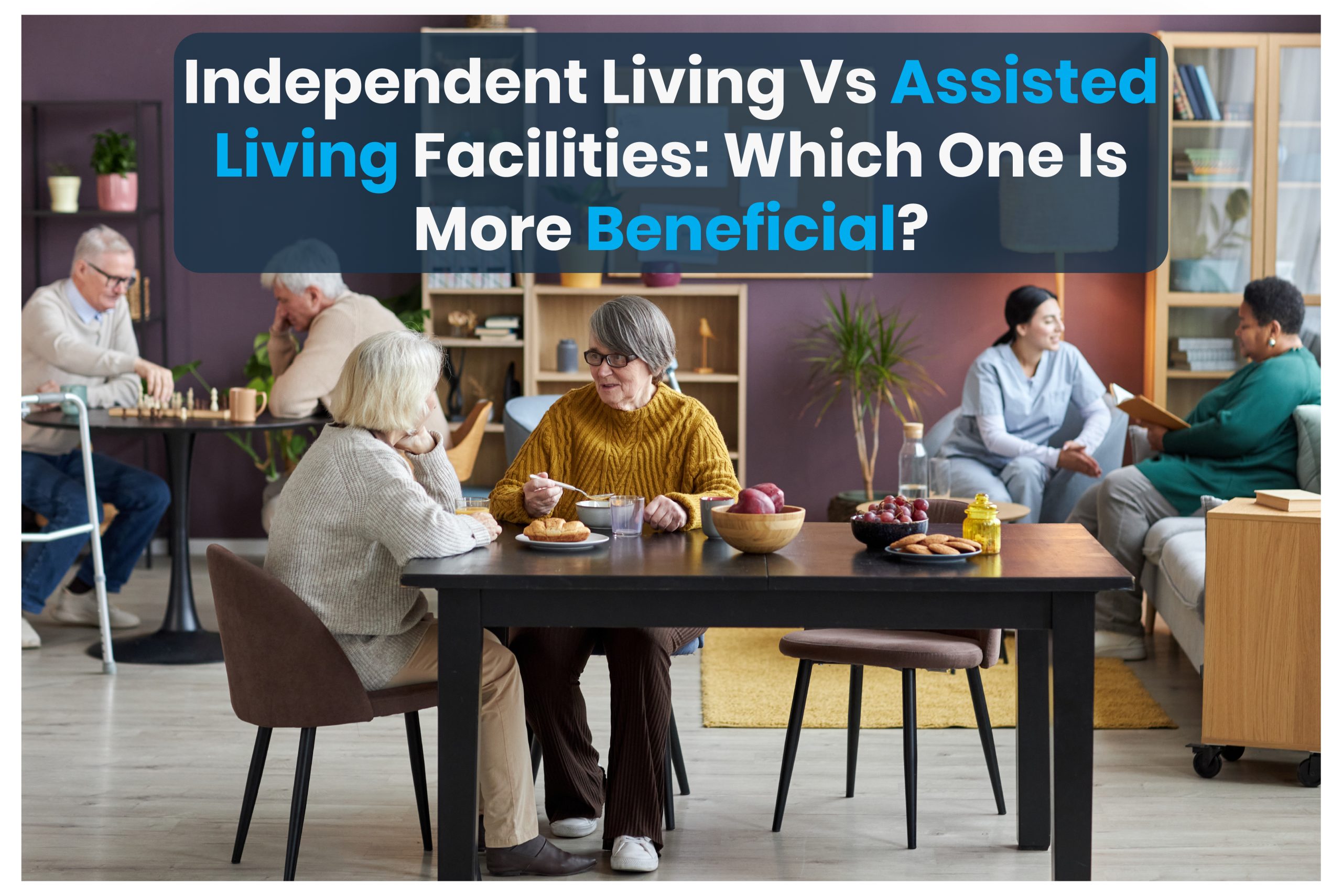
Loneliness and isolation are among the greatest risks for seniors, particularly after moving away from their long-time home. Regular family interaction provides emotional stability during this transition. Familiar faces, shared memories, and ongoing relationships help residents feel grounded and reassured. Family involvement also encourages participation in seniors wellness programs, which support emotional balance, routine building, and overall mental well-being within assisted living communities.
Family involvement helps reduce anxiety related to change, supports emotional adjustment, maintains a sense of identity, and improves overall mood. Residents who feel emotionally supported are more likely to engage in daily activities, build social connections, and maintain a positive mindset.
Improved Communication Leads to Better Care
When families and care teams communicate openly, care becomes more accurate and responsive. Families often notice subtle changes in behavior, appetite, or mood that staff may not immediately see. Sharing these observations allows care teams to act early and adjust support accordingly.
Strong communication also builds trust. Families who feel heard are more confident in the care their loved one receives, reducing stress and uncertainty while strengthening relationships with staff.
Personalized Care Is Stronger With Family Input
No one understands a resident’s life story better than their family. Preferences around routines, meals, social interaction, and comfort are often shaped over decades. When families share this information, care plans become more personalized and meaningful.
Family involvement ensures daily routines feel familiar, cultural and personal preferences are respected, and care decisions reflect the resident’s values. This personalization improves satisfaction and supports dignity, autonomy, and emotional comfort.
Stronger Family Involvement Reduces Guilt and Anxiety
Families often experience guilt or uncertainty after transitioning a loved one into assisted living. Remaining involved helps families see firsthand how care is provided and reassures them that their loved one is respected and supported.
Engaged families feel more confident in care decisions, experience less emotional stress, and build stronger relationships with caregivers. Rather than stepping away, involvement creates peace of mind and fosters trust.
Social Engagement Improves With Family Participation
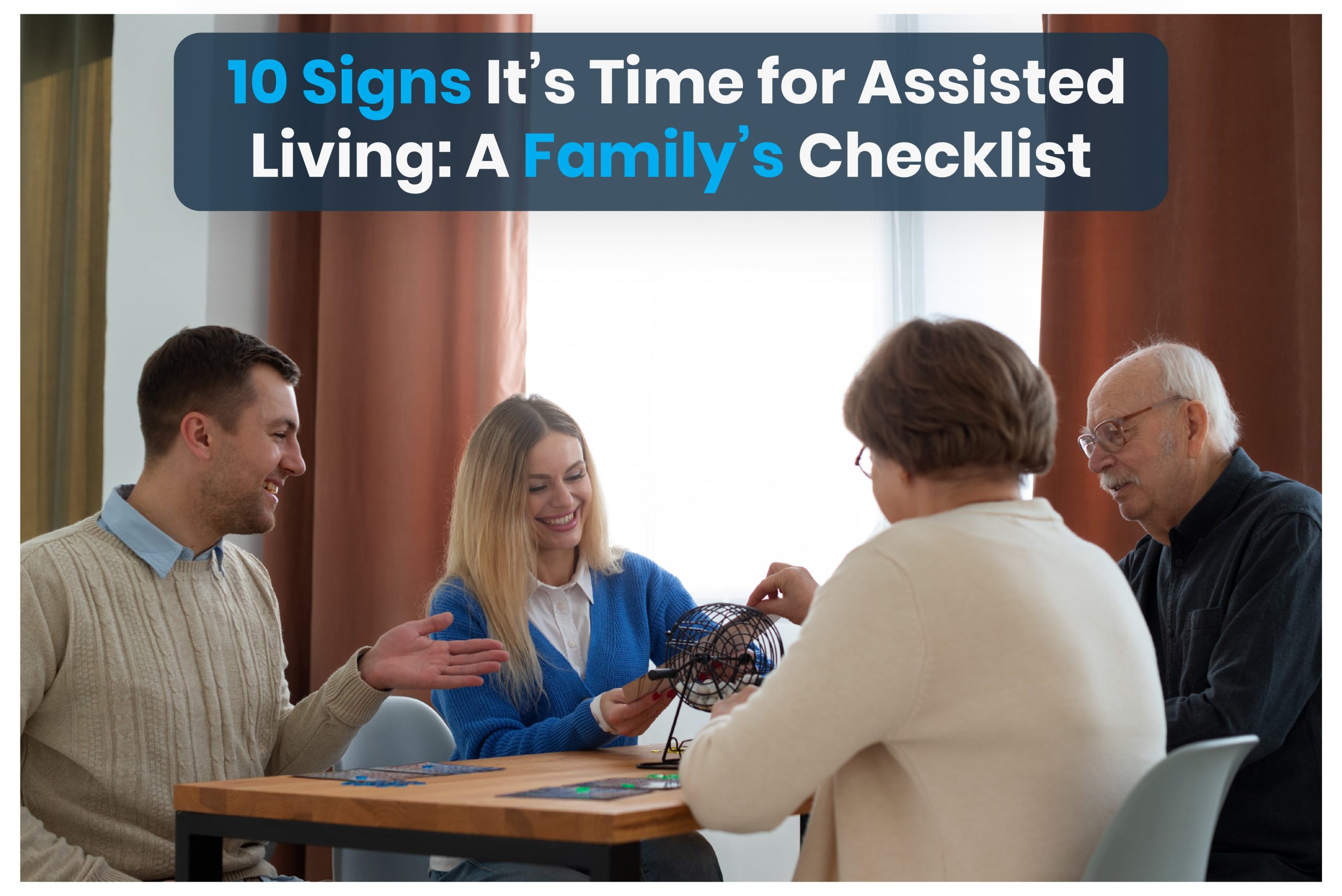
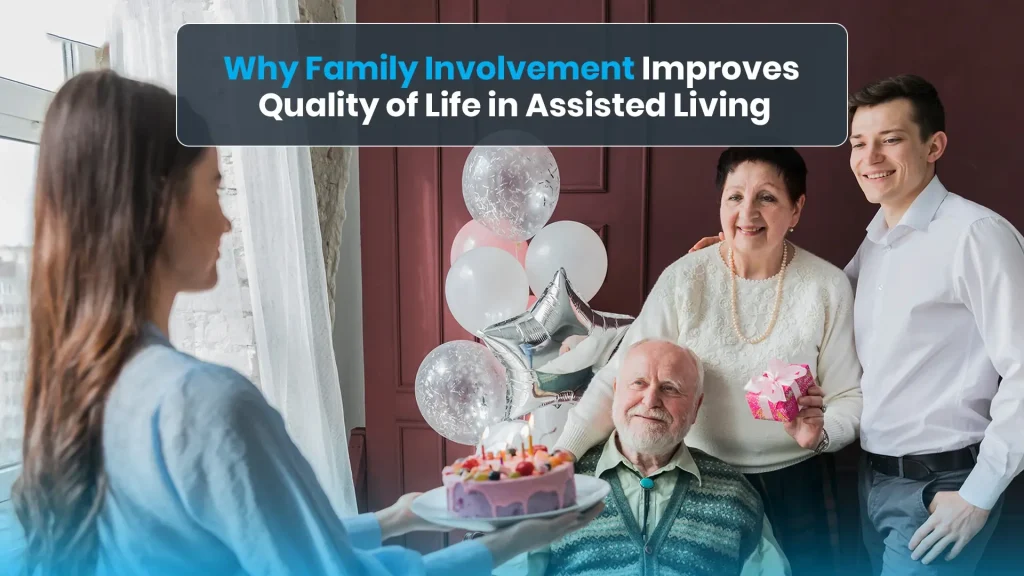
Family presence plays a key role in encouraging residents to remain socially active. Attending events, celebrations, or shared activities with loved ones increases motivation and confidence. It also helps residents feel proud of their new environment. Many families actively participate alongside residents in group activities, including games and exercises for seniors, which promote physical mobility, cognitive stimulation, and stronger social bonds.
Communities that welcome family participation often see higher engagement in activities, stronger relationships, and a more vibrant atmosphere. Residents who stay socially connected tend to experience better emotional, physical, and cognitive well-being over time.
Better Health Outcomes Through Early Awareness
Family members are often the first to notice subtle health changes, such as decreased energy, changes in appetite, or mood shifts. When these observations are shared with care teams early, minor concerns can be addressed before they become more serious.
Active family involvement supports early detection, proactive care adjustments, and improved long-term health outcomes. This collaborative monitoring strengthens resident safety and continuity of care.
Transparency Builds Long-Term Trust
Transparent communication strengthens trust between families and assisted living communities. Families who receive consistent updates feel informed, respected, and reassured about their loved one’s care.
Transparency includes clear communication about care changes, honest discussions about evolving needs, and open channels for questions. This openness supports long-term satisfaction and positive relationships between families and care providers.
A Sense of Purpose and Belonging for Residents
Maintaining close family connections reinforces a resident’s sense of purpose. Seniors who feel connected to their loved ones often demonstrate higher engagement, emotional resilience, and motivation.
Family involvement reminds residents that they remain valued members of their family, not individuals who have been left behind. This emotional reinforcement plays a key role in long-term well-being.
Family Involvement Benefits Everyone
Family involvement strengthens the entire care environment. Care teams gain deeper insight into resident needs, families gain confidence and reassurance, and residents experience greater emotional fulfillment.
Assisted living communities that prioritize family involvement foster collaboration, respect, and shared responsibility, creating a supportive and compassionate environment for all.
Final Thoughts
Family involvement is one of the most powerful contributors to quality of life in assisted living. It enhances emotional well-being, improves communication, strengthens personalized care, and builds lasting trust between families and care providers.
When families remain engaged, assisted living becomes more than a place of care, it becomes a connected, supportive community built on compassion and partnership.