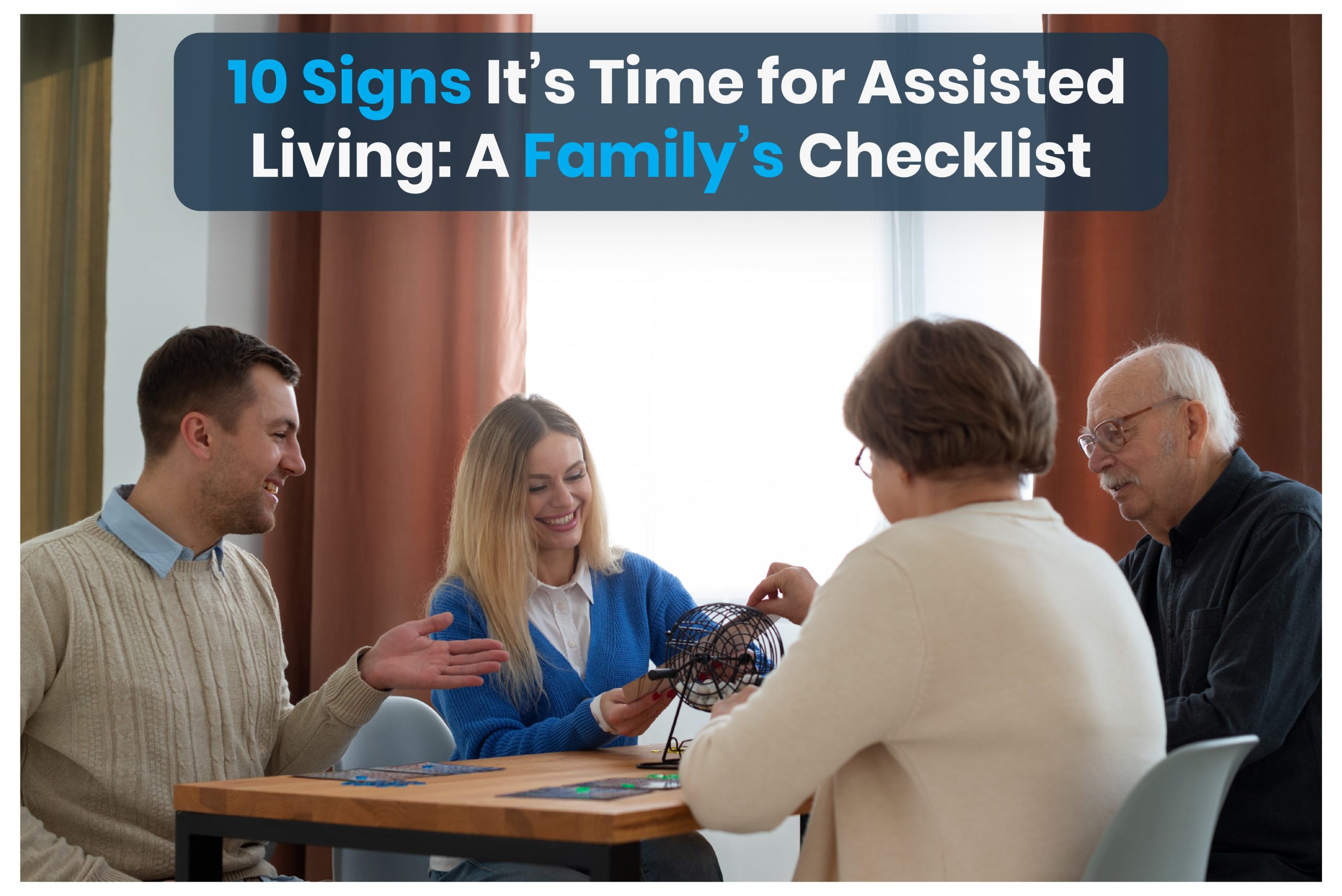
Assisted living helps the elderly cope with activities of daily living, which include having their meals, taking their medicines, and moving around. On the other hand, memory care is meant to help patients suffering from certain illnesses such as dementia and Alzheimer’s disease.
The process of moving a close family member into a memory care facility can be difficult and complex for many families. This blog provides an analysis that will enable families to understand how to recognize key indicators and the right time to transition.
Understanding Assisted Living vs. Memory Care
The purpose of assisted living facilities is to assist the elderly who need help with their daily activities, including taking a bath, taking medications, and eating. It is communal for families to start asking themselves when to move from assisted living to memory care because of the increasing cognitive issues.
Memory care guarantees a more organized and safer environment that provides to people suffering from dementia. Memory care can effectively deal with behavior problems and safety issues when the right professionals and procedures are put in place. It is important to identify the symptoms indicating signs its time for memory care.
A move becomes imperative once the cognitive requirements of the patient have outgrown what an assisted living environment can provide. More confusion and wandering by a resident can be a cause for the move while some residents will require memory care due to health issues.
Key Signs It May Be Time for Memory Care
It is important to identify the beginning of cognitive difficulties because it will help in deciding when the individual requires greater care. The memory problems will usually occur slowly, so it may be hard for the family members to notice when this is happening.
Increasing Memory Loss and Confusion
Disturbance in perception of time, space, or those around us is central to progressing cognitive decline. One can forget their normal routine, miss their appointments, or even not recognize their beloved ones, thereby indicating that now it’s time to think about how do you know when someone needs memory care.
Safety Concerns
As cognition deteriorates, safety hazards become very prevalent, such that the person can no longer be left alone safely. The individual may wander, become lost, leave appliances running, or fall regularly. The incapability to recognize danger is an important red flag, signaling when memory care is essential with 24/7 safety monitoring services.
Personality and Behavioral Changes
Fluctuations or changes in behavior or conduct such as aggressiveness, nervousness, anxiety, or unexpected mood changes can be a symbol that cognitive function is worsening. Others may start withdrawing from social interactions and may get depressed. All these behavioral changes usually raise the question about when to put someone in memory care.
Decline in Personal Hygiene and Daily Activities
A decline in cognitive functions can be manifested by decreased self-care capabilities. Even with help and wellness programs services, the elderly might be unable to bathe, dress up, eat, or keep clean. Consistent disregard of self-care practices even with help is a sign of when do you know it’s time for memory care.
Increased Medical Needs
Cognitive situations such as dementia or Alzheimer tend to increase the complexity and demands of the medical and care requirements as these conditions advance. To be safe, people might want to be monitored all the time, have regular schedules, and be attentive to medication. These increasing needs assist in deciding when assisted living should change into memory care.
Assisted Living Staff Can No Longer Meet Needs
Assisted living employees may no longer possess the resources or the training needed to effectively deal with advanced cognitive decline at a particular point. This gap is commonly indicated by increased incidences, safety issues, or caregiver reports, indicating that a parent should be transferred to memory care to receive more specialized intervention and care.
When a Spouse or Family Member Notices Changes
Clinically, families tend to observe emotional and behavioral changes prior to the decline being established. Minor personality, communication, or mood alterations can be indicative of underlying cognitive problems. Such preliminary observations can be very important in identifying when to move from assisted living to memory care effectively.
When analyzing the continuous changes in the condition of a loved one, you need to trust your instincts. Symptoms may seem to be inconsistent but not to be disregarded. The question many families start asking is when is it time to move to assisted living as the needs keep on getting more and more.
It would be advisable to maintain open communication with care staff to ensure proper monitoring and coordinated care. Periodic changes keep families aware of the changes in care needs and make informed choices. This partnership is critical in deciding on how do you know when it’s time for memory care later in life.
Risks of Waiting Too Long
The delaying of the move towards more advanced care might have an impact on the safety, mental well-being, and physical well-being of the caregivers to a large extent. The realization of the risks that may arise out of the disease will enable the family members to make decisions that will help ensure that there are no unwarranted incidences that may happen to the person who is affected by dementia.
Increased Chances of Injury or Accidents
The individual may become susceptible to certain hazards, such as falling, wandering, and even taking wrong medication, with the worsening of the cognitive impairment. The hazardous behaviors may be attributed to the confusion, whereby an individual fails to turn off the electrical appliances or even leaves the home without the knowledge of others.
Emotional Distress for the Individual
The result will probably be many stressful emotions. They might feel concerned, scared, or even become miserable as their condition worsens. All of this stress accumulates without sufficient help, and family members could find themselves asking how do you know how do you know when it’s time for memory care.
Caregiver Burnout and Stress
The caregivers and other family members tend to get tired of always having to supervise and be stressed out emotionally. The difficult requirements that need the proper care are quite hard to handle and can result in such factors like burnout, stress, and poor health. It is likely to necessitate considering moving a parent to memory care as a sustainable long-term care.
Benefits of Moving to Memory Care Early
Early move to memory care enhances safety, stability, and well-being and promotes the long-term outcomes of individuals and families.
Safer and Structured Environment
Memory care communities offer a safe, familiar environment to alleviate confusion and wander. Organized schedules assist individuals to feel guided and guided during the day and it is simpler to know when to move from assisted living to memory care due to greater safety.
Staff Trained in Dementia Care
Memory care caregivers are highly trained to deal with dementia-related behaviors, communication issues and medical requirements. This competence allows customized care and correct interventions to assist families in understanding how do you know when someone needs memory care to get specialized assistance.
Better Quality of Life and Involvement
Activities, therapies, and social programs are useful to preserve cognitive abilities and emotional health. The significant interaction and stimulation among the residents, along with family involvement, are beneficial to the residents as it tends to enhance mood and daily functioning when determining when to put someone in memory care to achieve better care outcomes.
Peace of Mind to Families
Families get to be less stressed because they are sure that their loved one is in a safe and supportive environment where he or she is well taken care of professionally. Frequent visits and planned care schedules give them an assurance that they will be able to know when the right time is to move a parent to memory care.
How to Prepare for the Transition
Memory care preparation is a considerate planning, emotional and practical process of preparing to make a successful and supportive transition of the individual and family.
Involving Your Loved One in the Decision
You can decrease anxiety and resistance by involving your loved one in the discussions. Regardless of cognitive decline, providing options and comfort will preserve dignity and when is it time to put a spouse in memory care by sharing common ground.
Touring Memory Care Communities
Touring of various facilities enables the family to consider safety, personnel competence, and daily activities. Viewing actual settings assists in expectations and aids to make informed choices when to move from assisted living to memory care.
Planning Finances and Logistics
It is important to know the costs, insurance coverage and resources available to make the transition. Prudent financial planning helps to facilitate continuity of care, as well as minimizes stress, particularly when deciding whether to move from assisted living to memory care.
Making the Move as Smooth as Possible
A slow and gentle transformation will assist in lessening confusion and emotional upheaval. Bringing some things along and continuing routines can facilitate the transition, enhancing the comfort in this critical phase of moving a parent to memory care.
Tips for Supporting Your Loved One Adjust
Emotional suffering can be lessened or minimized and people can become comfortable or easy with memory care backgrounds with the assistance of supportive strategies.
- Carry along recognizable photographs, furniture and personal comfort items.
- Keep routines regular every day to lessen perplexity and nervousness.
- Make frequent visits in order to offer emotional support and attachment.
- Always speak softly and clearly communicate in a straightforward manner.
- Foster involvement in organized activities and social interaction on a daily basis.
- Give time to adapt and no haste in expectations and changes.
- Be supportive and tolerant of emotional or behavioral changes.
How Champions Haven Support with Assisted Living to Memory Care
Champions Haven offers families with loving, systematic assistance when they are on the route between assisted living and memory care. It provides residents with the right amount of supervision as cognitive needs advance with a focus on safety, dignity, and personalized care. The team and families collaborate to evaluate the evolving conditions, advise decision-making, and provide a well-coordinated moving process. Champions Haven improves the quality of life and minimizes stress levels to both residents and their loved ones through trained caregivers, customized care plans, and a safe environment in this vital care level.
FAQs
When should someone move from assisted living to memory care?
Once the safety risks, confusion, and memory loss become beyond the assisted living support levels.
What are early signs of needing memory care?
Loss of orientation, loss of habit, personality loss, and inability to handle day-to-day personal care tasks.
Can assisted living handle dementia patients’ long term?
At its early stages; more developed dementia typically needs special memory care assistance.
How do families decide on memory care placement?
They evaluate safety issues, medical requirements and stress in caregivers in a professional manner.
Is memory care better than assisted living for dementia?
Yes, it provides structured routines, supervision, and trained care support of dementia-specific caregiving.